EXPRESS THAI · 第二章 EXPRESS THAI · CHAPTER 2

数字、量词与点餐

Numbers, Classifiers & Ordering Food

学会数到 1,000,再学会用泰语的方式数任何东西,并能像本地人一样点餐点饮料。

Count from 1 to 1,000, then count anything the Thai way and order food and drinks like a local.

数字 1–1,000Numbers 1–1,000 量词Classifiers 句型结构Sentence Pattern 点餐点饮料Ordering Food
第一部分Part 1

数字,一次学会一个规律Numbers, One Pattern at a Time

从 1 数到 1,000——只需要记住几个规律,而不是背诵上百个词。Count from 1 to 1,000 — just a few patterns to remember, not hundreds of words to memorize.

第一部分 · 第一节PART 1 · SECTION 1
数字 1–10Numbers 1–10
先把这十个数字记牢——之后所有更大的数字都是从它们搭建出来的。Learn these ten solidly first — every bigger number is built from them.
1
nùeng
0:00 / --:--
2
sǎwng
0:00 / --:--
3
sǎam
0:00 / --:--
4
sìi
0:00 / --:--
5
hâa
0:00 / --:--
6
hòk
0:00 / --:--
7
jèt
0:00 / --:--
8
bpàet
0:00 / --:--
9
gâo
0:00 / --:--
10
sìp
0:00 / --:--
第一部分 · 第一节PART 1 · SECTION 1
两个例外规律Two Irregular Rules
规律一:20 是特例
RULE 1: 20 Is Irregular
yîi-sìp (20) 0:00 / --:--
不是 “sǎwng-sìp”——20 有自己专属的词。
not “sǎwng-sìp” — 20 gets its own special word.
规律二:尾数 1 永远是 èt
RULE 2: A Trailing 1 Is Always “èt”
yîi-sìp-èt (21) 0:00 / --:--
21、31、41……每一个都用 èt,不用 nùeng。
21, 31, 41… every one uses “èt”, never “nùeng”.
对于以「ยี่สิบ」(yîi-sìp) 开头的数字,泰国人口语中常常把它连读成「ยีบ」(yîip)——例如 yîip-èt、yîip-sɔ̌ɔng、yîip-sǎam、yîip-sìi。
For numbers that start with “yîi-sìp”, Thai people often slur it in speech into “yîip” — for example yîip-èt, yîip-sɔ̌ɔng, yîip-sǎam, yîip-sìi.
0:00 / --:--
第一部分 · 第一节PART 1 · SECTION 1
十位数 + 1 的规律The Decade-Plus-One Pattern
十位数(sìp)后面永远接 èt——21 到 91,规律完全一样。The decade word (sìp) is always followed by “èt” — the same pattern from 21 all the way to 91.
sǎam-sìp-èt (31)
sìi-sìp-èt (41)
hâa-sìp-èt (51)
hòk-sìp-èt (61)
jèt-sìp-èt (71)
bpàet-sìp-èt (81)
gâo-sìp-èt (91)
听一听这个规律:Hear the pattern: 0:00 / --:--
第一部分 · 第一节PART 1 · SECTION 1
整百、整千Round Numbers: 100 & 1,000
róoi
hundred
0:00 / --:--
pan
thousand
0:00 / --:--
对于 100,一共有 3 种说法——1,000 的规律完全一样:For 100, there are 3 ways to say it — the same pattern applies to 1,000:
róoi-diaw
róoi-diaw
róoi-diaw 0:00 / --:--
“just 100” — only that much, no more
「刚好一百」——就这么多,不多不少
nùeng-róoi
nùeng-róoi
nùeng-róoi 0:00 / --:--
a plain count of “one hundred,” no “only” implied
单纯地数「一百」,没有「只有」的意思
in everyday speech, this is usually said as “róoi nueng”
日常口语中通常说成「róoi nueng」
róoi nueng 0:00 / --:--
pan-diaw
pan-diaw
pan-diaw 0:00 / --:--
“just 1,000” — only that much, no more
「刚好一千」——就这么多,不多不少
nùeng-pan
nùeng-pan
nùeng-pan 0:00 / --:--
a plain count of “one thousand,” no “only” implied
单纯地数「一千」,没有「只有」的意思
in everyday speech, this is usually said as “pan nueng”
日常口语中通常说成「pan nueng」
pan nueng 0:00 / --:--
第一部分 · 第一节PART 1 · SECTION 1
日常口语会省略开头的 “nùeng”Real Speech Drops the Leading “nùeng”
在口语泰语中,如果后面还有其他数字,「nùeng」(一)在位值词前常常会被省略。In spoken Thai, “nùeng” (one) is often dropped before place-value words if other numbers follow.
150
150
róoi hâa-sìp 0:00 / --:--
1,500
1,500
pan hâa 0:00 / --:--
第二部分Part 2

量词——用泰语的方式数东西Classifiers — Counting Things the Thai Way

每个名词都需要一个量词——你会先学会最常用的那些。Every noun needs a counting word — you'll learn the ones you use most.

第二部分 · 第一节PART 2 · SECTION 1
句型结构The Pattern
[ item ] + [ number ] + [ classifier ]
第二部分 · 第一节PART 2 · SECTION 1
什么是量词?What's a Classifier?
英语说 "two cups of coffee"(数字先出现)。泰语的顺序刚好相反——而且量词会随着你数的东西而改变。In English you say “two cups of coffee.” In Thai, the order flips — and the counting word depends on what you're counting.
英语:数字 + 量词 + 名词
ENGLISH: number + classifier + noun
two cups of coffee
泰语:名词 + 数字 + 量词
THAI: noun + number + classifier
gaa-fɛɛ sǎwng gâew
咖啡(名词)+ 二(数字)+ 杯(量词)
coffee (noun) + two (number) + glass (classifier)
唯一的例外:数量是「一」的时候,量词会直接跟在名词后面——比如 gaa-fɛɛ gâew nùeng(一杯咖啡)。The one exception: when the number is “one”, the classifier can follow the noun directly — gaa-fɛɛ gâew nùeng (one cup of coffee).
第二部分 · 第一节PART 2 · SECTION 1
最常用的 8 个量词Classifiers You'll Use Most
an 0:00 / --:--
general / when you're not sure which one fits
普通量词 / 不确定用哪个量词时
bpàak-gaa nùeng an
one pen
one pen
0:00 / --:--
gâew 0:00 / --:--
glasses of drinks
杯(饮料)
gaa-fɛɛ sǎwng gâew
two glasses of coffee
0:00 / --:--
kùat 0:00 / --:--
bottles
瓶
náam sǎam kùat
three bottles of water
0:00 / --:--
gi-loh 0:00 / --:--
kilograms — fruit and produce sold by weight
公斤(按重量卖的水果/农产品)
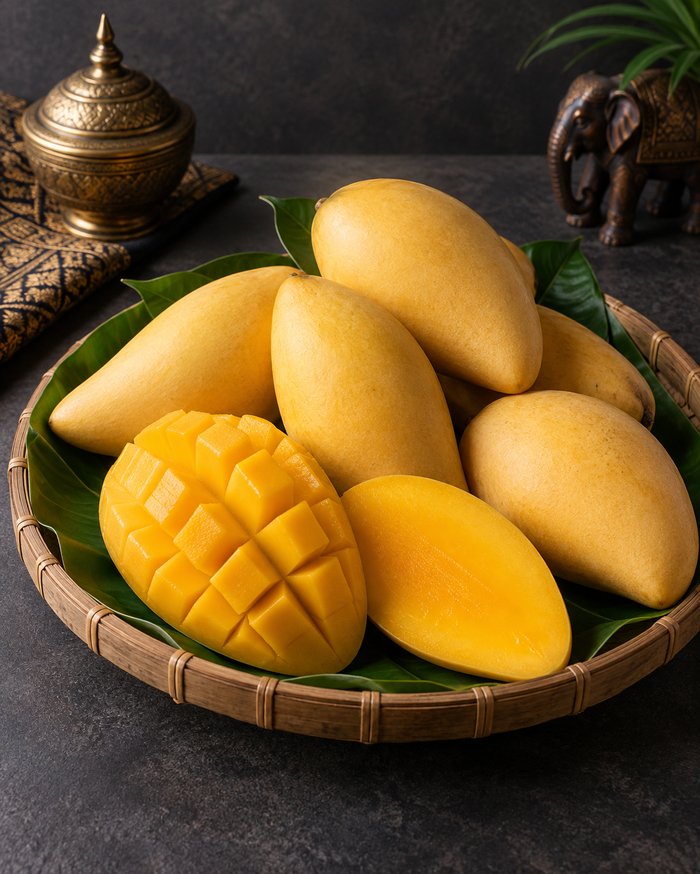
má-mûang sǎwng gi-loh
two kilos of mango
two kilos of mango
0:00 / --:--
jaan 0:00 / --:--
plates of food (eat-in)
盘(堂食)
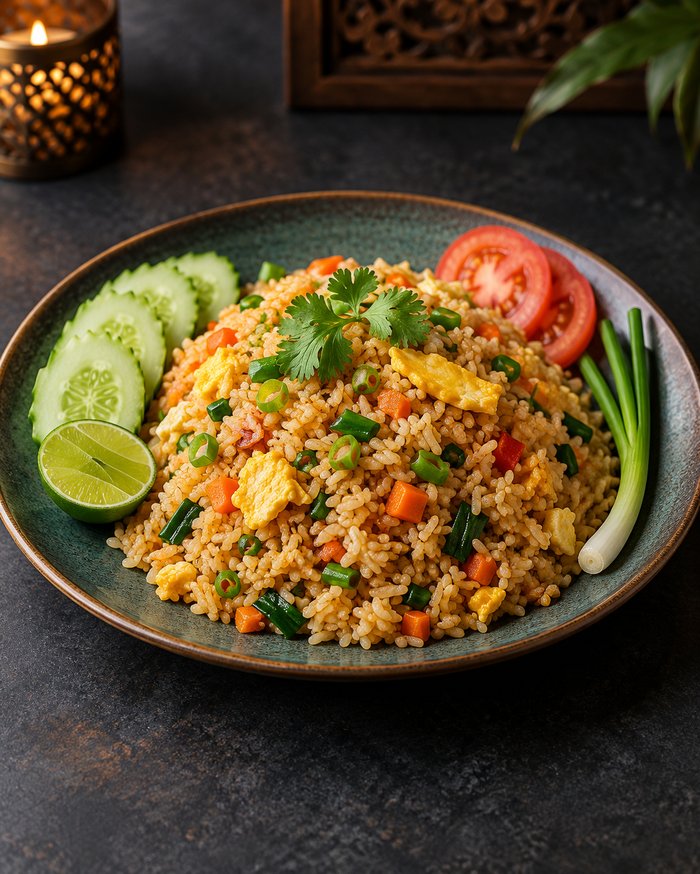
kâao pàt sǎam jaan
three plates of fried rice
0:00 / --:--
chín 0:00 / --:--
pieces (cake, meat, fruit)
块/片(蛋糕、肉、水果)
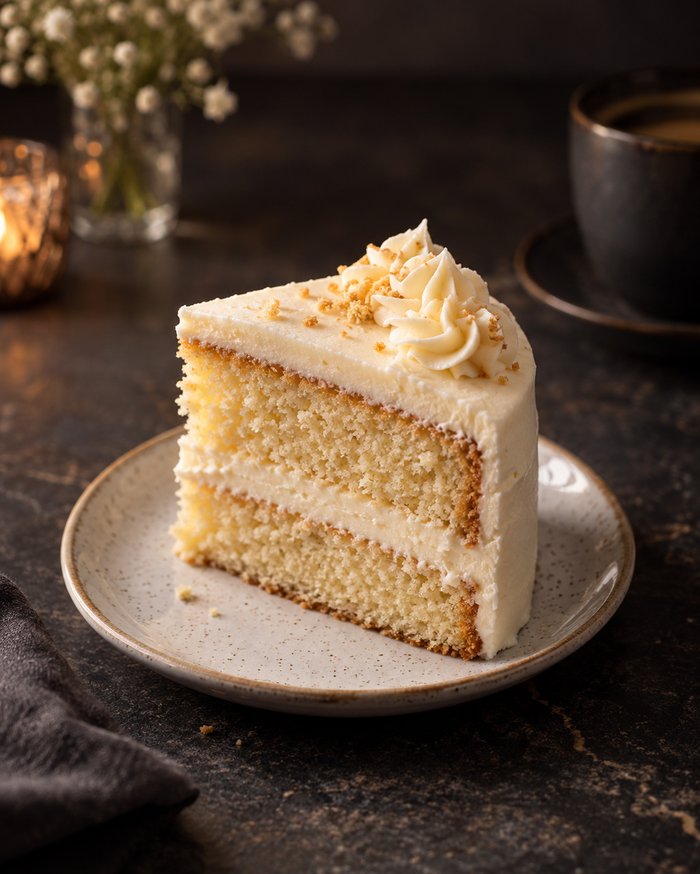
kéek nùeng chín
one piece of cake
one piece of cake
0:00 / --:--
glàwng 0:00 / --:--
boxes (takeaway)
盒(外带)
kâao pàt nùeng glàwng
one box of fried rice, to go
0:00 / --:--
têe 0:00 / --:--
orders / servings — very common at restaurants
份(餐厅里非常常用)
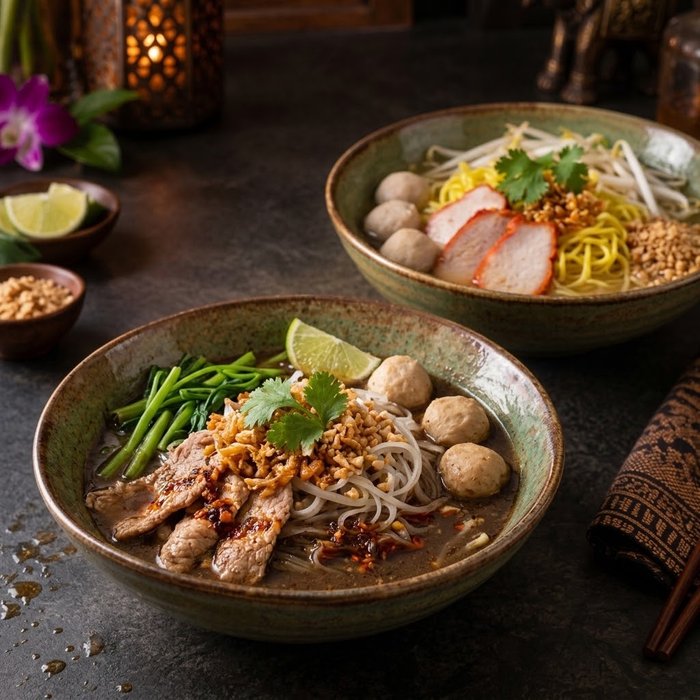
gôoay-dtǐao sǎwng têe
two orders of noodles
0:00 / --:--
第二部分 · 第二节PART 2 · SECTION 2
说出来Say It
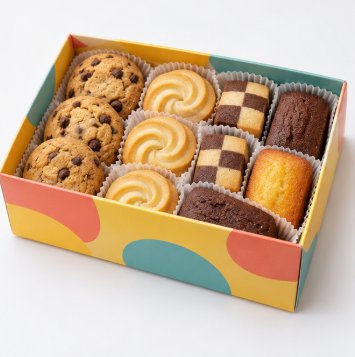
看图片,说出对应的泰语量词短语。Look at each photo and say the Thai phrase for it.

第二部分 · 第二节PART 2 · SECTION 2
同样的食物,不同的量词Same Food, Different Classifier
量词会告诉对方你打算怎么吃——堂食还是外带。The classifier tells the listener how you're having it — eating in, or taking it to go.
堂食
EAT-IN
kâao pàt sǎam jaan 0:00 / --:--
炒饭,三盘
fried rice, three plates
外带
TAKEAWAY
kâao pàt nùeng glàwng 0:00 / --:--
炒饭,一盒
fried rice, one box
第二部分 · 第二节PART 2 · SECTION 2
询问单价Asking the Price Per Unit
[ classifier ] + lá + tâo-rài
gi-loh-lá tâo-rài kâ / kráp? 0:00 / --:--
一公斤多少钱?
How much per kilo?
第二部分 · 第二节PART 2 · SECTION 2
这个多少钱一份?How Much Per…?
看图片,用正确的量词问单价。Look at each photo and ask the price using the right classifier.
第三部分Part 3

点餐点饮料Ordering Food & Drinks

只需要两句话,就能点完整顿饭。Just two phrases run an entire order.

第三部分 · 第一节PART 3 · SECTION 1
点餐的两句话Two Phrases That Run the Whole Order
服务员说
THE WAITER SAYS
ráp arai dii kâ / kráp?
想点什么?
What would you like to order?
你说
YOU SAY
ao [ item ] [ number ] [ classifier ] kâ / kráp.
我要 [食物] [数量] [量词]。
I'll take [item] [number] [classifier].
第三部分 · 第一节PART 3 · SECTION 1
完整对话The Full Conversation
听完整对话:Listen to the full conversation: 0:00 / --:--
A
sà-wàt-dii kâ. ráp arai dii kâ?
你好,想点什么?
Hello. What would you like to order?
B
ao kâao pàt sǎwng jaan kráp. láew gâw ao dtôm-yam-gûng nùeng têe kráp.
我要两盘炒饭,还要一份冬阴功汤。
I'll take two plates of fried rice, and one order of tom yum goong.
A
krêuang-dèum ráp bpen arai dii kâ?
饮料想喝点什么?
What would you like to drink?
B
ao chaa-yen sǎwng gâew kráp.
我要两杯泰式奶茶。
I'll take two glasses of Thai iced tea.
A
ráp arai pêrm ìik mái kâ?
还要加点什么吗?
Would you like to add anything else?
B
tâo-níi kráp. kàwp-kun kráp.
就这些,谢谢。
That's all. Thank you.
第三部分 · 第一节PART 3 · SECTION 1
对话中的新单词New Words From the Dialogue
ráp 0:00 / --:--
to receive / take an order
接待/接受点单
dii 0:00 / --:--
good
好
ao 0:00 / --:--
to want / I'll take
要/我要
pêrm 0:00 / --:--
to add / more
加/更多
ìik 0:00 / --:--
more / again
再/又
tâo-níi 0:00 / --:--
that's all
就这些
láew-gâw 0:00 / --:--
and then / also
然后/还要
dtôm-yam-gûng 0:00 / --:--
tom yum goong (spicy shrimp soup)
冬阴功汤
krêuang-dèum 0:00 / --:--
drinks
饮料
chaa-yen 0:00 / --:--
Thai iced tea
泰式奶茶
第三部分 · 第二节PART 3 · SECTION 2
练习:点你自己想要的Practice: Order Your Own
看图片,用你自己的数量填空说出完整的点单句。Look at each photo and complete the order sentence with your own number.

恭喜你!CONGRATULATIONS!

·

你的泰语进步了!You Have Improved Your Thai Language!

做练习巩固一下 Practice What You Learned
0